Pre-Lease and Post-Lease Inspections
Commercial Property Inspections
Commercial Tenant Due Diligence
Assess existing conditions, deferred maintenance, and system performance before lease execution or at lease termination.
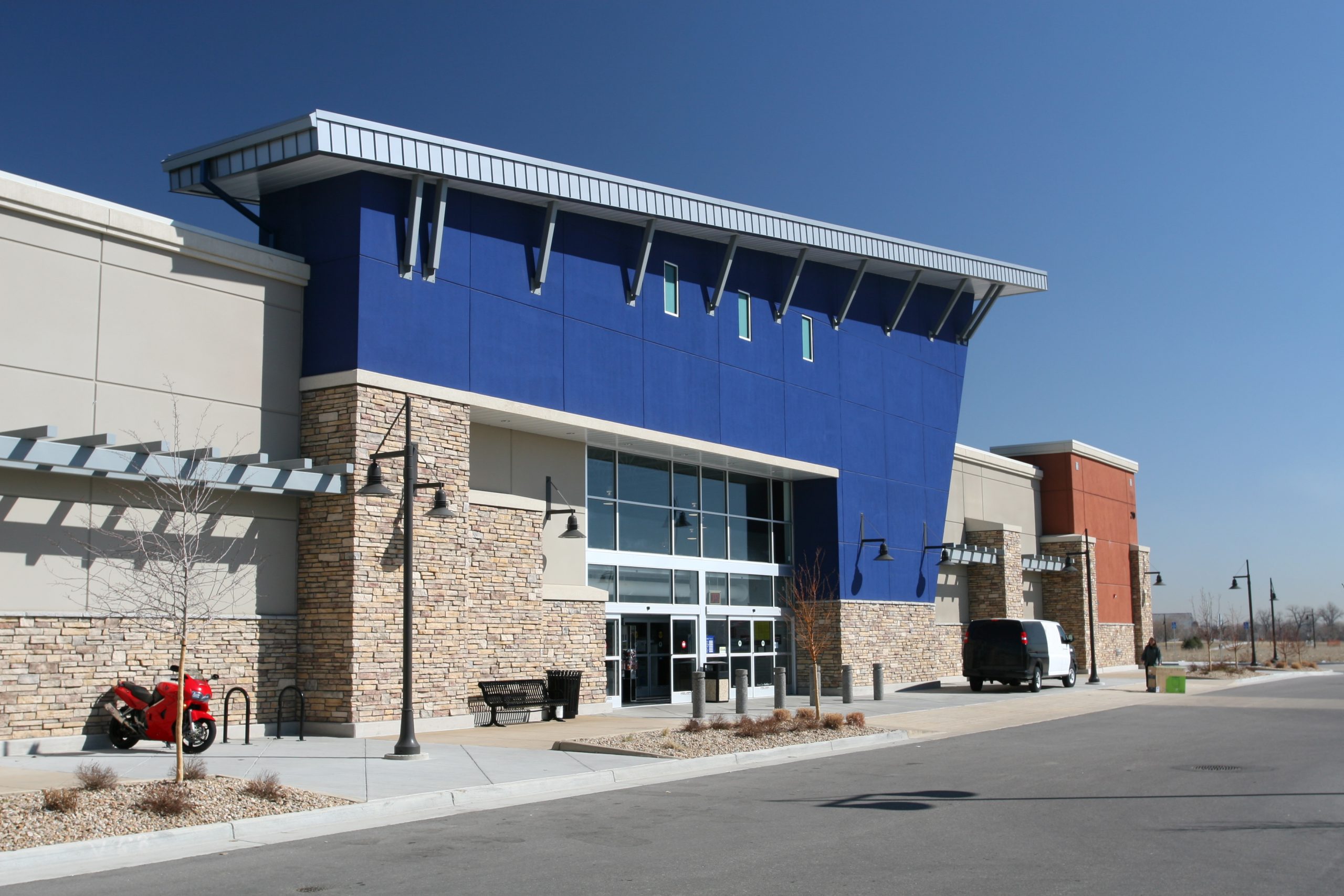
Under a triple-net lease, tenants often assume responsibility for major building systems. Our pre- and post-lease inspections identify existing deficiencies, deferred maintenance, and overall system condition—helping parties understand risk before lease execution and document conditions at lease termination.
Inspection Scope Includes:
- Site improvements – Evaluation of parking areas, curbs, sidewalks, drainage features, and pavement condition to identify trip hazards, surface deterioration, improper grading, and drainage deficiencies that can cause water intrusion or premature failure.
- Structural systems – Assessment of visible foundations and primary load-bearing elements for signs of settlement, cracking, movement, or structural distress that could affect building stability and long-term performance.
- Building envelope systems – Review of exterior walls, cladding, windows, and doors to identify gaps, sealant failures, water intrusion risks, and conditions that can affect energy performance and interior finishes.
- Roofing systems – Evaluation of roof coverings, flashings, drainage components, and penetrations to identify active leaks, ponding water, membrane deterioration, and remaining service life.
- Electrical systems – Inspection of service equipment, panels, and accessible distribution components for proper configuration, capacity concerns, visible deficiencies, and overall condition relative to building use.
- Plumbing systems – Review of water supply and distribution piping, drainage systems, fixtures, and water heating equipment to identify leaks, corrosion, improper installation, and other functional concerns.
- HVAC systems – Assessment of heating, cooling, and ventilation equipment, including rooftop units and split systems, for age, condition, performance concerns, and remaining life expectancy.
- Interior areas – Observation of floors, walls, ceilings, and stairs for damage, wear, water stains, and conditions that may indicate underlying building system issues.
- Fire & life safety systems – Review of visible fire protection components, including extinguishers, alarm devices, exit signs and emergency lighting to identify obvious deficiencies and general compliance concerns.
- ADA considerations – Identification of Level I accessibility issues at entrances, accessible routes, parking, and restrooms that may affect usability and compliance risk.
Our commercial inspection reports clearly document building condition and repair responsibilities so tenants and owners understand risks, costs, and obligations before lease execution and at lease termination.
Commercial Sample Inspection Report
Science-Based Building Inspections
Our inspections use building science to evaluate performance, service life, and risk.
Commercial Buildings Inspected
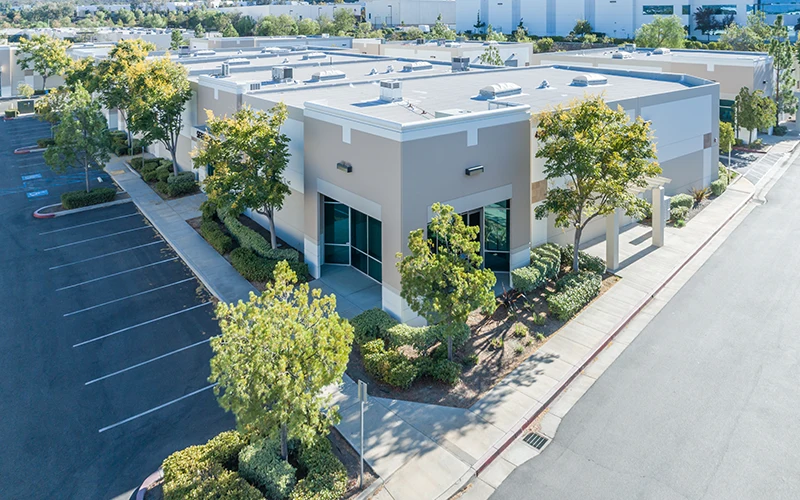
Industrial
Manufacturing plants, storage and staging facilities, and warehouses.
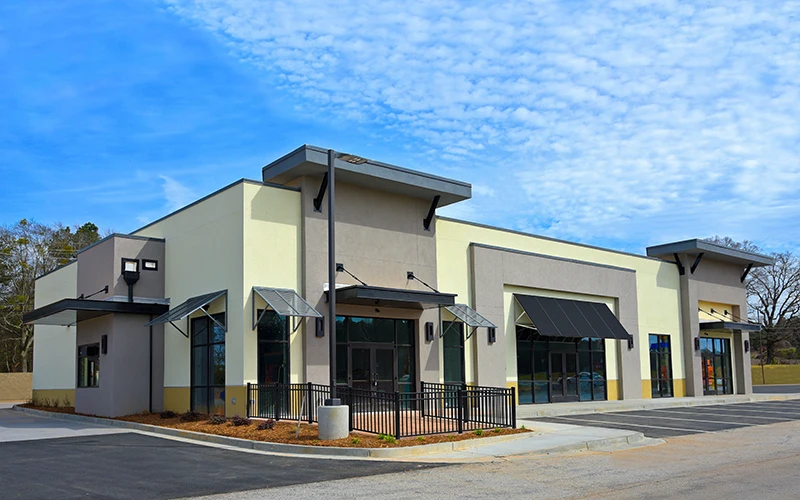
Retail
Strip malls, restaurants, automotive shops, and professional offices.
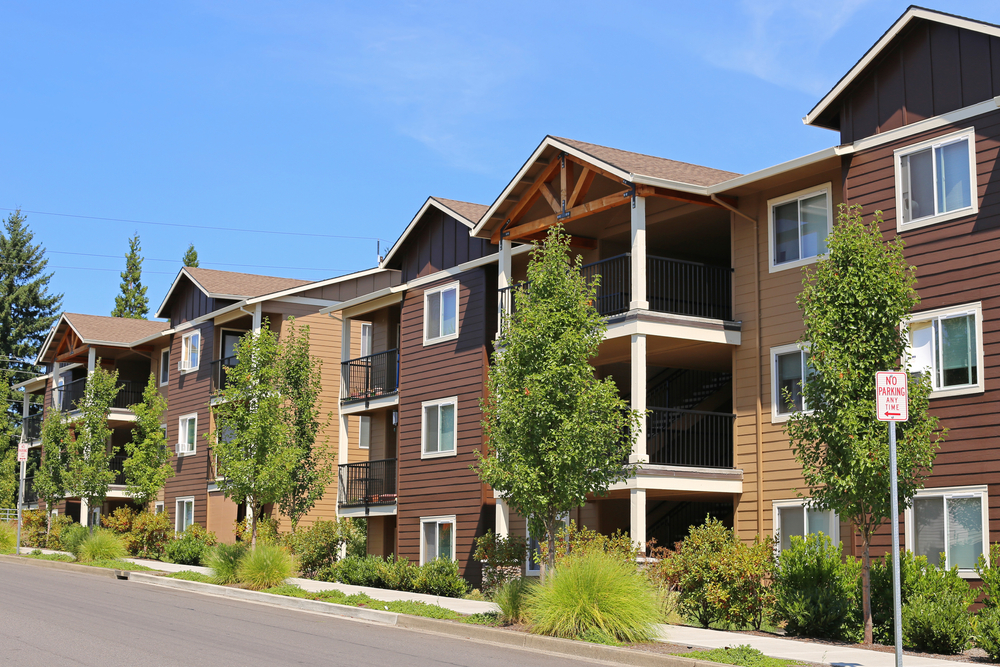
Multifamily
Apartments, assisted living facilities, and residential buildings.
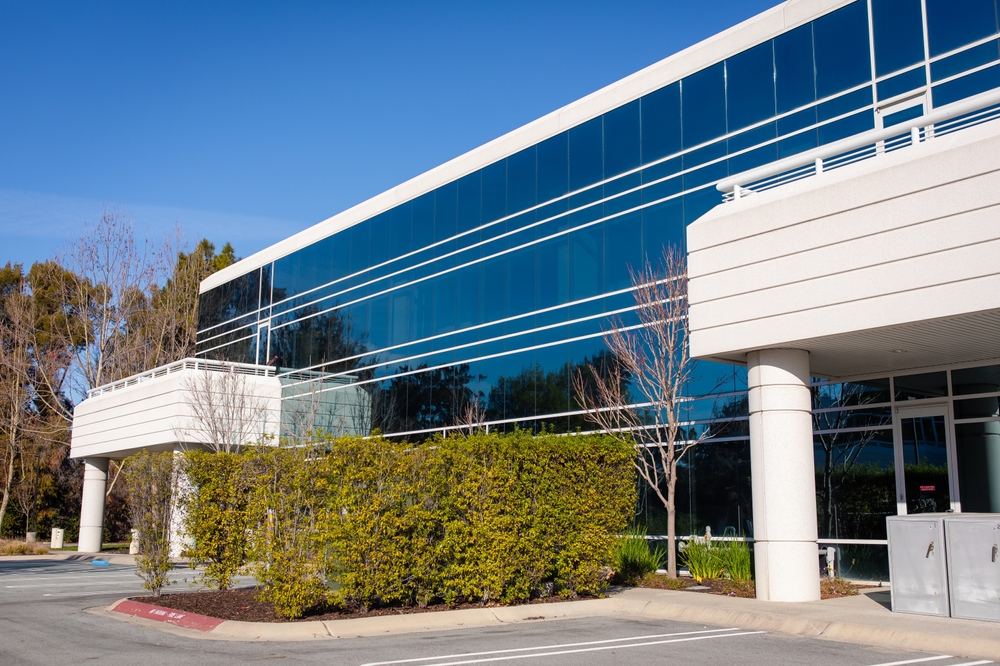
Office
Single-tenant buildings, multi-tenant buildings, and office condominiums.
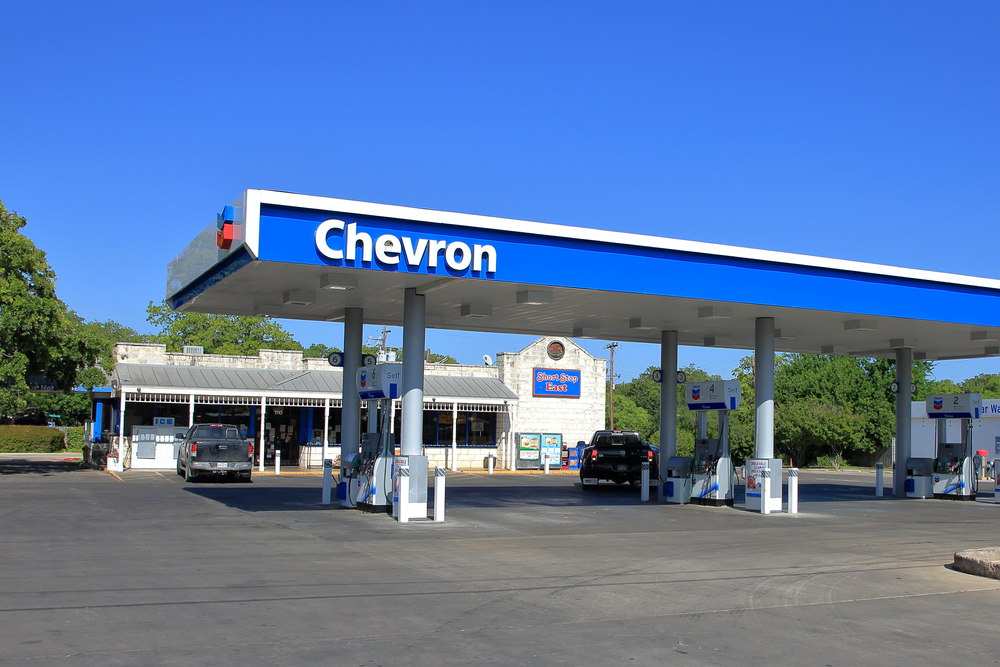
Special Purpose
Convenience stores, banquet halls, and veterinary and medical clinics.
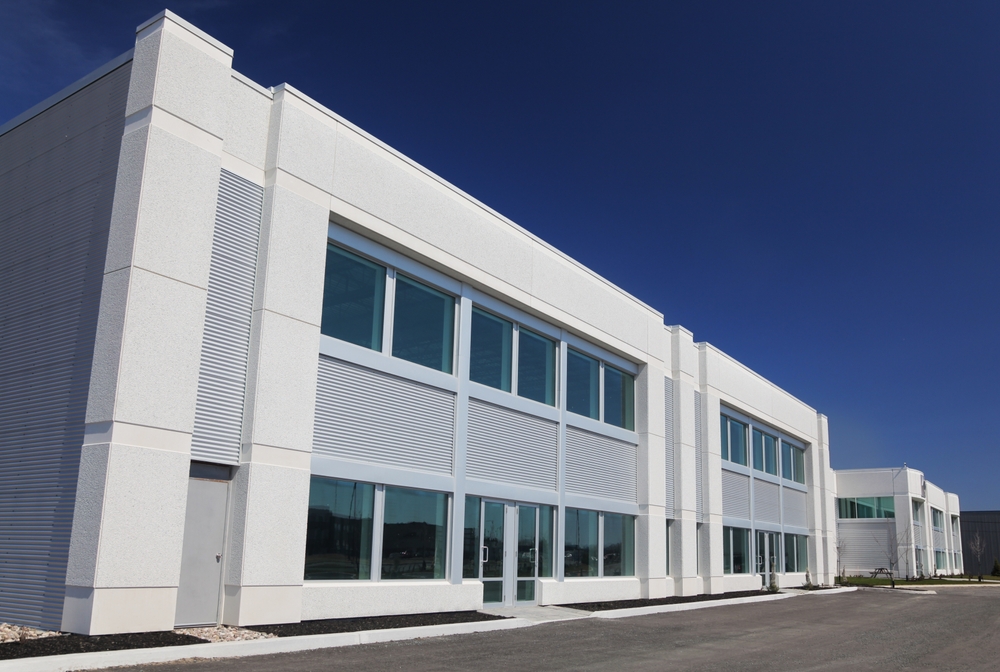
Flex Space
Office-warehouse spaces, retail-office buildings, and mixed-use centers.
Additonal Services
Sewer Scope
Video inspection of the main sewer line to detect blockages, damage, or deterioration that could affect system performance.
Radon Testing
Measuring indoor radon levels to assess health risks and inform safety decisions for building occupants.
Mold Testing
Sampling and evaluation to identify mold and conditions that may affect indoor air quality.
Methamphetamine Testing
Sampling to detect methamphetamine contamination that may pose health, regulatory, or cleanup issues.